



In football, perfection is as rare as it is precious, and on Wednesday night at the Emirates Stadium, Arsenal danced on the edge of history. Faced with Kairat Almaty in their final Champions League, league phase match, Mikel Arteta’s side had the chance to complete a perfect eight-from-eight record in the competition. They achieved the win, but not without drama, resilience and reminders that even the great can be tested. Arsenal’s 3–2 victory was a tale of intent, expectation and emotional tension that only European football can deliver.
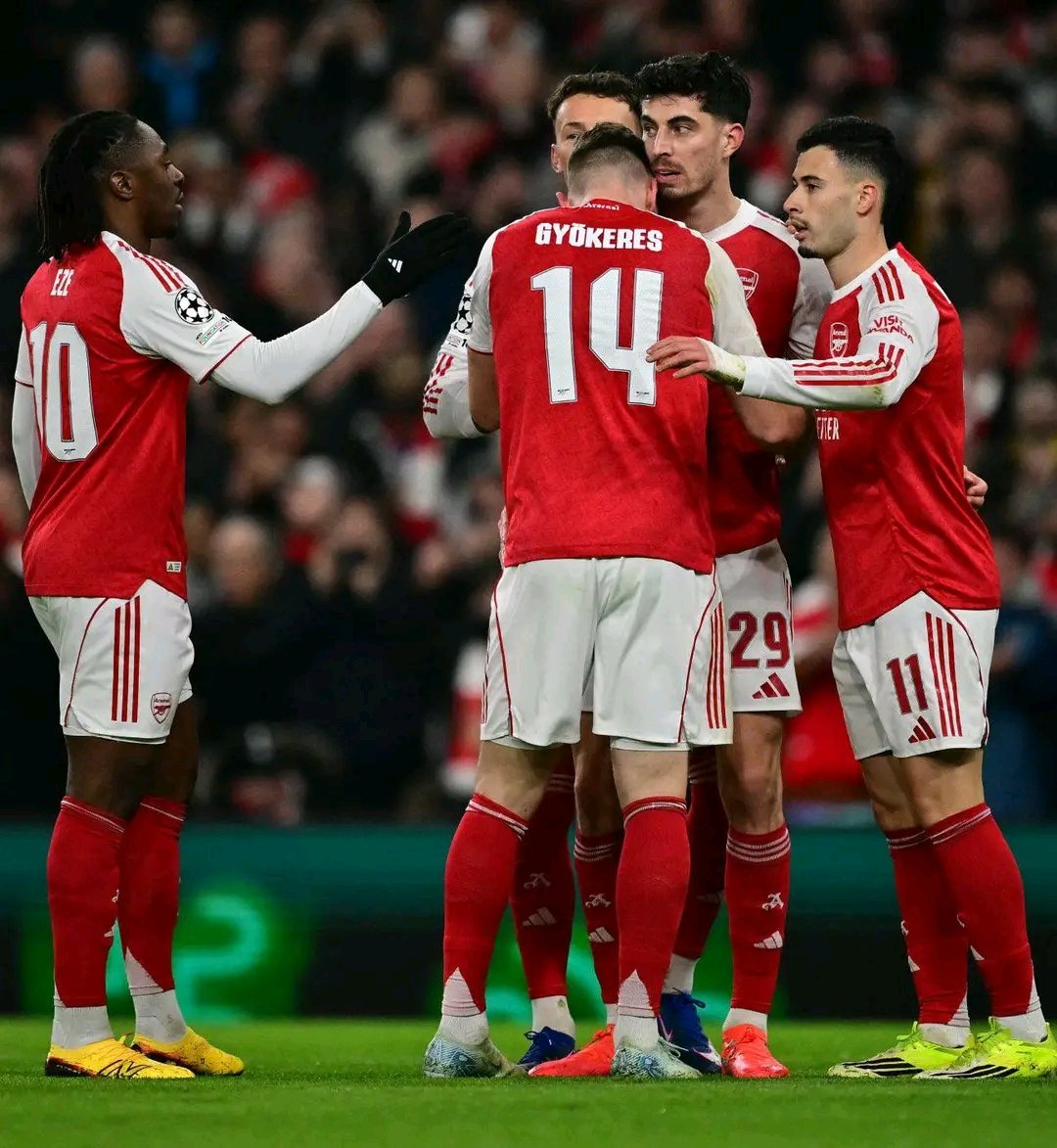
From the first whistle, Arsenal looked determined to stamp their authority on proceedings. Despite having already qualified for the round of 16 and secured pole position in the group, they approached the game as if it were a final. Young attacker Viktor Gyokeres opened the scoring inside two minutes, collecting a fine through-ball from Kai Havertz before firing past the goalkeeper. It was a moment that encapsulated Arsenal’s early purpose incisiveness, movement and a willingness to strike first.
Yet football, especially in Europe, delights in subverting certainty. Barely five minutes after going behind, Kairat were awarded a penalty after Ricardo Calafiori was judged to have impeded Jorginho in the box. The veteran midfielder coolly sent Kepa Arrizabalaga the wrong way, levelling the score and gifting Kairat a dream start. The visitors, bottom of the group and seen as minnows at kickoff, showed no fear, a testament to the unpredictable rhythms of Champions League nights.
Arsenal responded with the sort of controlled aggression that had defined much of their European campaign. Havertz, making his first start in almost a year following an extended spell on the sidelines, cut inside from the right and curled a beautiful drive beyond the reach of the goalkeeper to restore Arsenal’s lead. On a night when the German playmaker was given a rare start, he delivered a statement performance that reminded supporters what they had been missing.

With confidence rising, Arsenal continued to press. Six minutes before halftime, Gabriel Martinelli tapped home from close range after Havertz’s incisive cross, his sixth Champions League goal of the season. At 3–1, the contest seemed under firm control, and the Emirates grew louder, brimming with the belief that something extraordinary was unfolding.
Indeed, Arsenal dominated the remainder of the first half, creating multiple sights of goal and exposing defensive gaps that Kairat struggled to plug. The Gunners’ fluidity in attack and dominance over possession offered a blueprint of why they had been impressive across Europe, and why their supporters believe this could be a campaign of real promise.
But just when the night seemed certain, Kairat delivered a final jolt of unpredictability. In the 94th minute, substitute Ricardinho rose to head home from a late cross, pulling the score to 3–2 and sending a ripple of nerves through the Emirates faithful. For all Arsenal’s quality, this moment exposed a lingering vulnerability, a reminder that no game, no matter how one-sided on paper, is truly settled until the final whistle.
Tactically, Arsenal’s shape was a marriage of urgency and discipline. Midfielders circulated possession with calmness, wing play stretched Kairat’s defense, and the pressing game ensured limited respite for the visitors. Yet Kairat’s willingness to attack even when trailing made them dangerous, and their late goal demonstrated that they never relinquished belief.
Arsenal’s victory ensured they finish the Champions League, league phase at the top of their group, completing an unblemished run in eight matches, a testament to consistency, depth and strategic execution. Still, the narrow margin and late scare served as a reminder that perfection can be a fragile thing. On nights like this, victory and vulnerability walk hand in hand, and football’s greatest dramas are born from that tension.