



Temi Kings
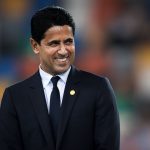
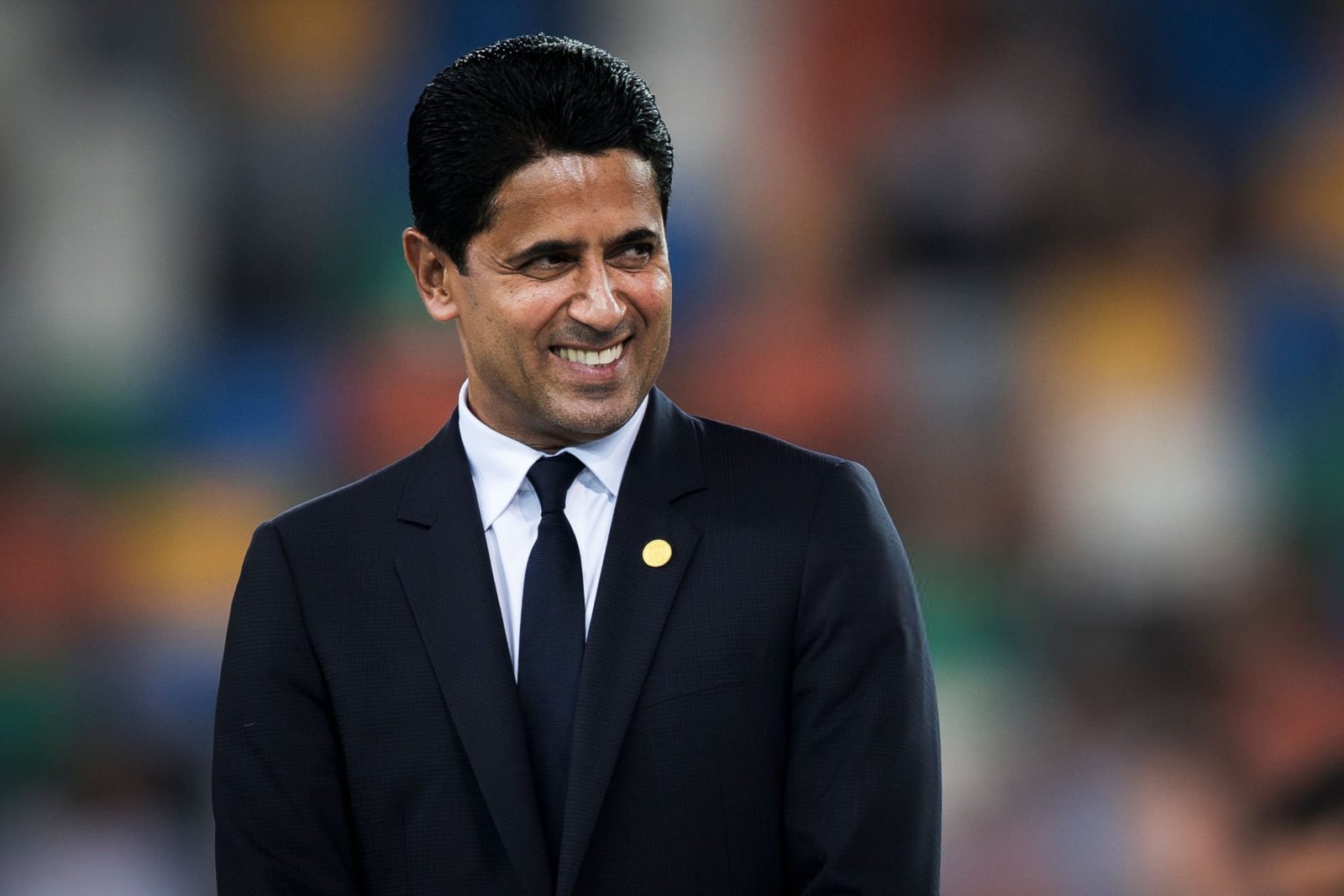
The 2026 FIFA World Cup has delivered immense drama on the pitch, but the true blockbuster thriller is unfolding in the corridors of football’s ultimate governing body. For nearly a decade, FIFA President Gianni Infantino has ruled global football, expecting his upcoming re-election campaign to be a quiet, unopposed victory lap. However, a full-scale European revolt has erupted, led by powerhouse UEFA federations seeking to unseat him. At the center of this political coup is a shocking, high-profile name: Paris Saint-Germain president Nasser Al-Khelaïfi, who has emerged as Europe’s ultimate wildcard alternative.
To understand why European federations are suddenly in open mutiny, you have to look at the massive controversy that took place during the tournament. Tensions between UEFA and FIFA reached a boiling point after FIFA’s disciplinary committee overturned a red card suspension for United States striker Folarin Balogun following a reported personal phone call from U.S. President Donald Trump to Infantino. This led to a sharp response from UEFA, which accused FIFA of “crossing a red line” by allowing political interference to dictate sporting rules. Coupled with fan outrage over astronomically expensive tickets, controversial tournament reforms, and perceived favoritism, Infantino quickly became the primary villain of the tournament, even losing the support of the English Football Association ahead of the November election.
With UEFA President Aleksander Čeferin making it clear that he intends to remain in his current role rather than launch a head-to-head campaign against Infantino, European federations had to look elsewhere for a leader with enough clout to challenge the FIFA establishment. Multiple influential UEFA member associations, most notably Belgium and Poland, have indicated they are fully prepared to back a bid by the PSG president and European Club Association chairman, Nasser Al-Khelaïfi. However, the major catch is that Al-Khelaïfi currently has no personal ambition to stand for the FIFA presidency and would require significant persuading to actually enter the race.
Because Al-Khelaïfi is far from a guaranteed candidate, senior soccer officials from Bosnia and Herzegovina, Norway, Sweden, Germany, and Spain have already held talks about supporting alternative European candidates. Legia Warsaw owner and president Dariusz Mioduski has emerged as a leading alternative backup name. While Mioduski is a highly respected and deeply connected operator within European football politics, he does not have the support of his domestic Polish FA, who still prefer Al-Khelaïfi but remain aligned to back Mioduski as their secondary option if needed.
The ultimate battleground will be Rabat, Morocco, where FIFA will hold its highly anticipated election on November 18, 2026. While other potential candidates from outside Europe, like CONCACAF president Victor Montagliani and CAF president Patrice Motsepe, have been mentioned as future leaders, they are not expected to challenge Infantino this time around. Although Infantino still commands massive, unwavering support from other global confederations, the era of him running unopposed is officially over, and a monumental power struggle is coming to Morocco this November.
”Source Morocco World News (MWN SPORT)”.