Temi Kings
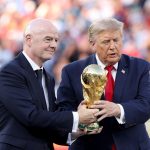
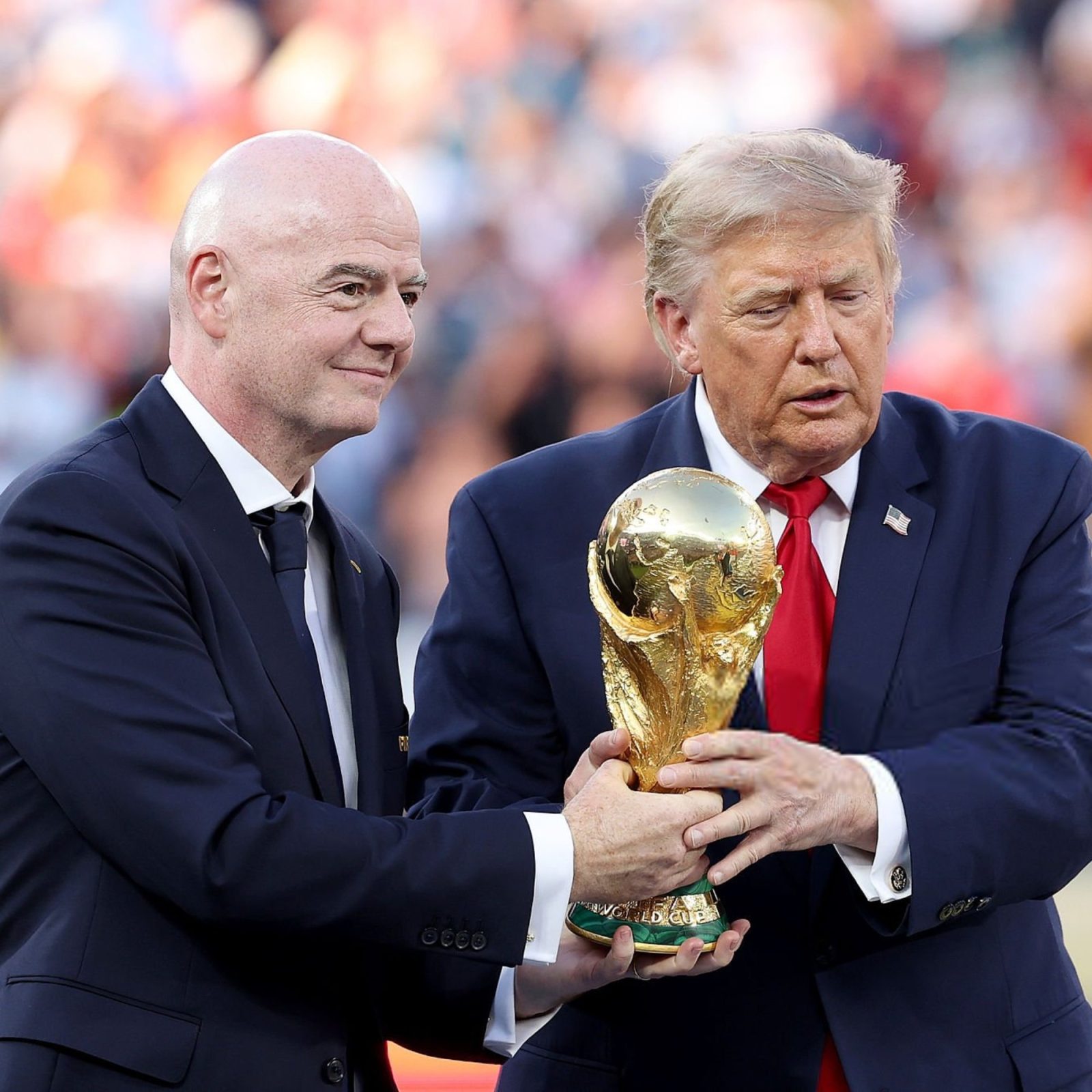
In a major development at the intersection of international sports politics and global football governance, the International Olympic Committee (IOC) has formally declined to open an investigation into FIFA President Gianni Infantino. The decision comes following a high-profile complaint alleging that Infantino breached Olympic political neutrality rules through his close public relationship with U.S. President Donald Trump during the 2026 FIFA World Cup. Filed by London-based human rights advocacy group FairSquare, the complaint urged the IOC Ethics Commission to probe whether political interference systematically compromised sporting integrity during the flagship tournament.
At the heart of FairSquare’s filing was the controversial and unprecedented decision by FIFA’s disciplinary authorities to suspend the enforcement of a mandatory one-match ban for United States forward Folarin Balogun. After receiving a straight red card in the Round of 32 against Bosnia and Herzegovina, Balogun was initially ruled out of the Round of 16 clash against Belgium. However, following a direct phone call from President Trump to Infantino publicly requesting a review of the decision, FIFA suspended Balogun’s ban for a probationary year, making him available to play. While Trump openly claimed credit for lobbying FIFA, both Infantino and the world governing body firmly rejected claims of political meddling, asserting that independent judicial committees made the decision based strictly on applicable regulations.
Despite the intense international backlash and criticism from rival federations, the IOC Ethics Commission determined that it lacks the procedural authority to intervene. In an official statement, the IOC clarified that the allegations refer exclusively to FIFA’s internal governance, sport management, and government relations rather than Infantino’s specific duties as an individual IOC member. Consequently, the Olympic body ruled the matter outside its jurisdiction, shielding Infantino from potential sanction while leaving lingering questions surrounding political influence in football unresolved.