

Temi Kings
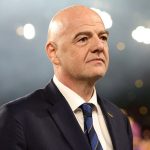
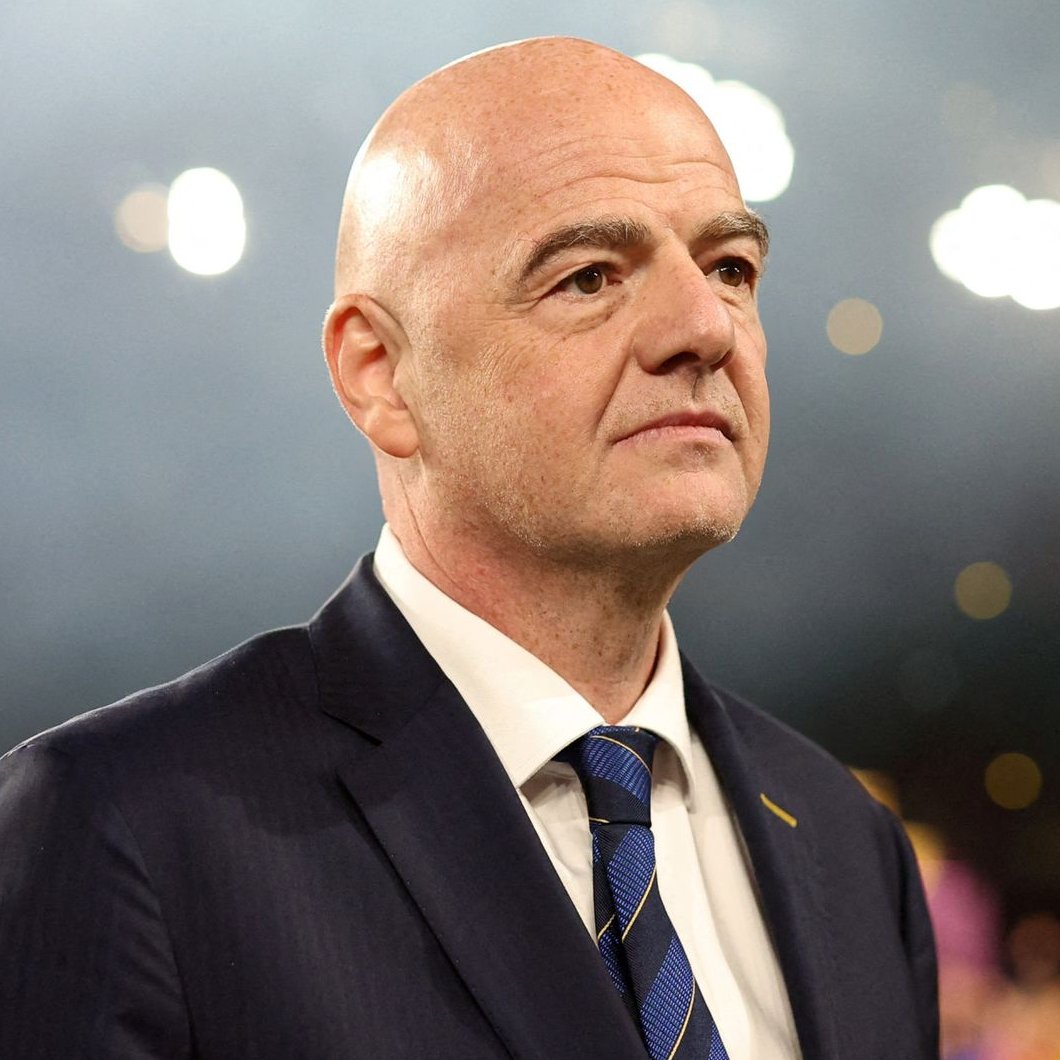
In a dramatic continuation of FIFA’s high-stakes commercial maneuvering, President Gianni Infantino has handed all national member associations a strict 53-day ultimatum to decide whether to participate in a bold new World Cup investment scheme.
According to a report initially published by The Times, the proposed plan asks individual member associations to invest $40 million each into the new World Cup commercial vehicle. However, the clause causing the most fierce backlash across the football landscape is the alternative option: countries that choose not to opt in or participate in the $40 million investment plan will reportedly receive a guaranteed payout of $10 million instead.
The stark divide created by this structure has already sent shockwaves through global football governance. One insider source cited in the report pulled no punches regarding the nature of the deal, describing the aggressive financial proposition bluntly as “pure bribery.”
This development arrives on the heels of growing scrutiny surrounding FIFA’s efforts to open the World Cup brand to private capital and global equity partners. Critics argue that forcing member federations to choose between committing massive capital reserves ($40M) or taking a quick, multi-million payout ($10M) places smaller associations under extreme pressure while further centralizing control within Zurich.
With the clock ticking on Infantino’s 53-day deadline, member federations across Europe, South America, and global confederations are scrambling to evaluate the financial, legal, and ethical ramifications of the proposal. Whether the plan secures widespread buy-in or triggers institutional rebellion from key footballing bodies, FIFA’s latest commercial gamble is set to redefine the political economy of the world’s game.