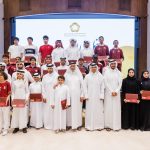




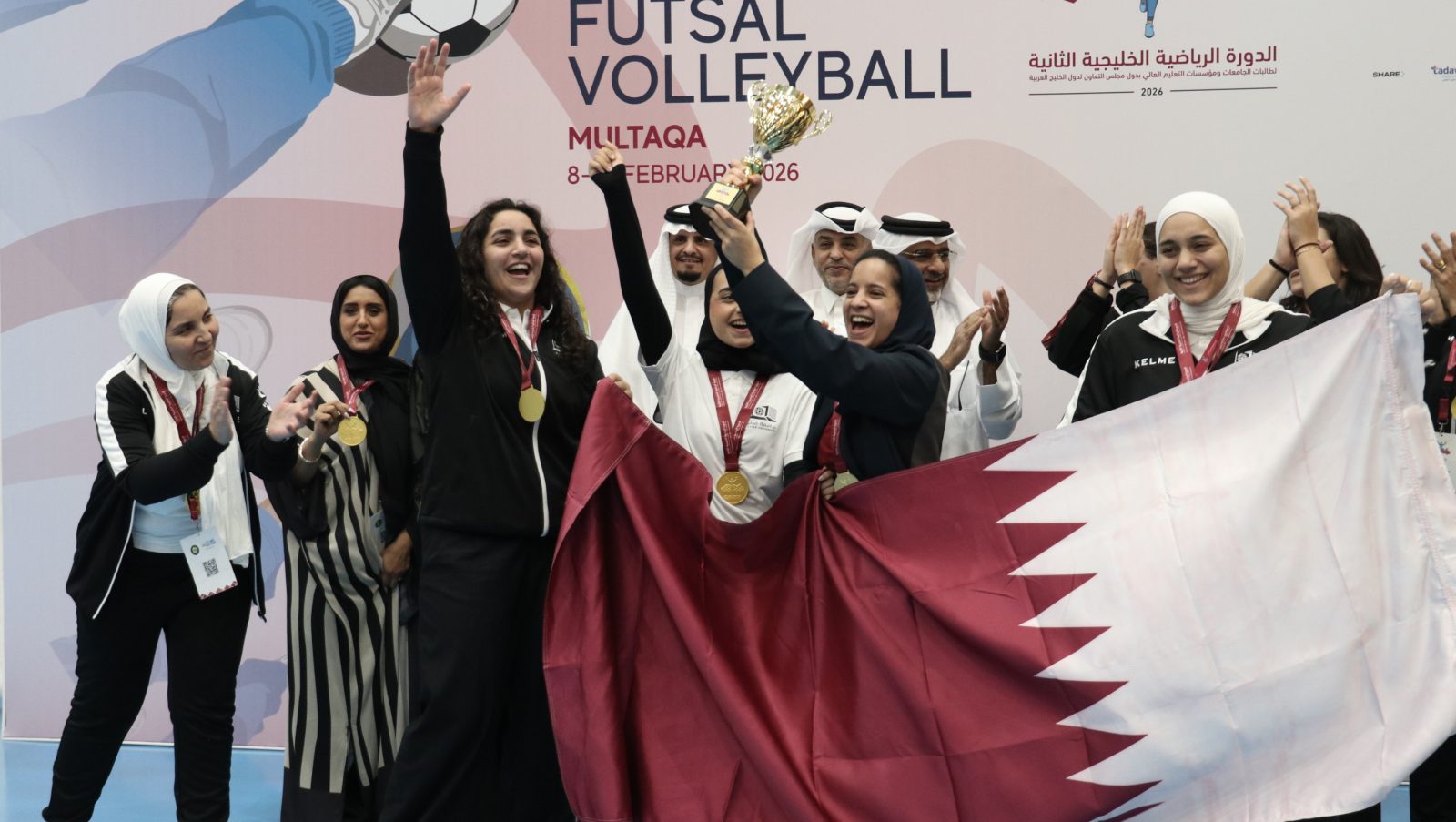
Doha: The curtain came down yesterday on the competitions of the Second GCC Sports Tournament for Female University and Higher Education Students, hosted by Hamad Bin Khalifa University from 6 to 11 February 2026. The tournament witnessed wide participation from female students representing Gulf universities, in a competitive atmosphere that reflected the advanced level of university sport across GCC countries.
Qatar University topped the overall standings of the tournament, followed by Kuwait University in second place, while King Abdulaziz University secured third place.
In padel, Qatar University claimed the gold medal, Kuwait University finished second, and Qassim University took third place. In badminton, King Khalid University won gold, followed by Qatar University with silver, and Sultan Qaboos University with bronze.
 In volleyball, Qatar University secured the gold medal, Sultan Qaboos University placed second, and United Arab Emirates University finished third. In football, Qatar University claimed gold, King Khalid University came in second, and Hamad Bin Khalifa University earned the bronze medal.
In table tennis (singles), Sorouj Majed of King Abdulaziz University won gold, followed by Maryam Ali Al Abdullah of Qatar University with silver, and Ghala Al Harbi of Qassim University with bronze. In the team event, King Abdulaziz University claimed gold, Qatar University finished second, and Qassim University secured third place.
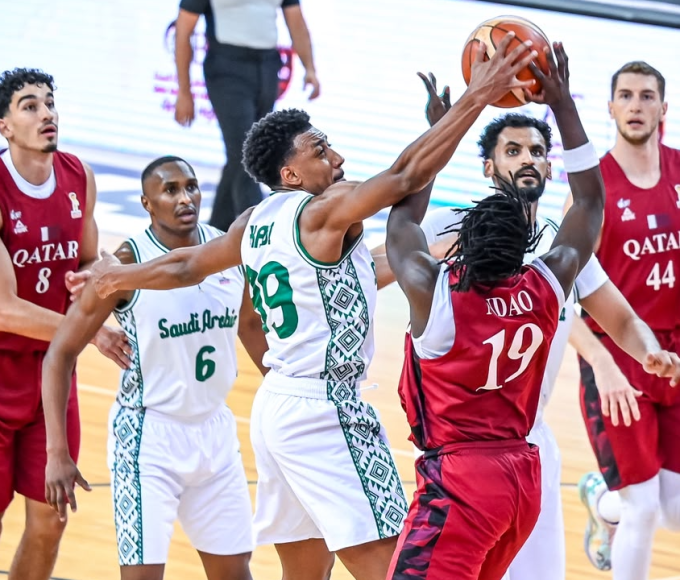
In basketball, the team of Doha University for Science and Technology won the gold medal, followed by Qatar University with silver, while the University of Technology and Information secured bronze.
In fencing, Yasmine Al Shawaf of Kuwait University won gold, Sheikha Ali of Qatar University took silver, and Aisha Al Abdullah of Qatar University and Jana Al Mukaimi of Kuwait University shared the bronze medal.
In athletics, Sarah Mohammed Al Ablan of King Faisal University won gold in the 400m race, followed by Haneen Hussein Ghulam Abbas of Qatar University and Rital Khalid Al Waal of King Abdulaziz University. In the 100m race, Maha Khamis Al Marri of Qatar University claimed gold, Sharon Oujaji of Hamad Bin Khalifa University finished second, and Munira Hamed Al Hamed of Princess Nourah bint Abdulrahman University took third place.
Sarah Mohammed Al Ablan also won gold in the 200m race, followed by Saja Issa Fadl of Doha University for Science and Technology and Taleh Hashem Al Habshi of King Abdulaziz University. In shot put, Moudhi Bakr Ibrahim of Princess Nourah bint Abdulrahman University secured gold, Badriya Ahmed Al Enezi of Kuwait University finished second, and Mika Ibrahim of Hamad Bin Khalifa University took bronze.
The athletics competitions concluded with Maha Khamis Al Marri of Qatar University winning gold in the long jump, followed by Samar Reda Mansouri of Doha University for Science and Technology, while Sharon Oujaji of Hamad Bin Khalifa University secured bronze.
The tournament featured the participation of 450 female students representing 16 universities and higher education institutions from GCC countries, competing in eight sports: football, volleyball, basketball, padel, table tennis, badminton, athletics, with fencing included for the first time in the tournament programme.
In a statement on this occasion, Dr. Maryam bint Hamad Al-Mannai, Chair of the Organising Committee and Vice President for Student Affairs at Hamad Bin Khalifa University, affirmed that the university’s hosting of the tournament represents an extension of its role in supporting the university sports movement and enhancing the presence of female students in various Gulf competitions.
She explained that the university began early preparations by developing a comprehensive organisational plan aimed at providing a fair and safe competitive environment and equipping sports facilities according to the highest standards, ensuring that the tournament was delivered in a manner reflecting Qatar’s standing and its capability to host sporting events at a distinguished level.
She added that the high technical standards and strong sportsmanship demonstrated throughout the competitions reflect the significant progress witnessed in women’s sport within GCC universities. She emphasized that the tournament was not limited to competition alone, but also contributed to strengthening ties between academic institutions and promoting the values of cooperation, respect, and teamwork.
Dr. Al-Mannai extended her sincere thanks and appreciation to all participating Gulf universities for their commitment, engagement, and exemplary sportsmanship, praising the performances delivered by the delegations, which reflected their dedication to the success of the event and to advancing Gulf university sport.
She also commended the support provided by partner entities and working committees, as well as the efforts of volunteers and organising teams who worked collectively to ensure the success of the event. She expressed her aspiration to maintain this momentum in future editions and confirmed that all look forward to the next gathering in one of the sister GCC countries to continue strengthening sports cooperation and reinforcing bonds among female university students across the region.
For her part, Dr. Al-Jazi Fetais, Tournament Director, affirmed that the Second GCC Sports Tournament for Female University and Higher Education Students achieved its organisational and technical objectives. She noted that the discipline and commitment demonstrated by the participating delegations directly contributed to the success of the competitions and their delivery in the desired manner.
She explained that the Organising Committee was keen to implement the highest standards in managing competitions, coordinating schedules, and providing logistical services to delegations, ensuring that the students could focus fully on their performance in the venues and achieve their best results. She added that the close cooperation among the various working teams was a key factor in facilitating the smooth conduct of competitions throughout the tournament.
She further noted that this edition reflected noticeable progress in the level of participation and competition, affirming that the strong turnout from Gulf universities highlights the importance of the tournament as an annual platform that strengthens university sports activity and opens new avenues for communication and integration among higher education institutions in the region.
She concluded by emphasizing that the success achieved serves as motivation to continue developing future editions, further consolidating the tournament’s position within the calendar of university sporting events across GCC countries.