


Staff Reporter
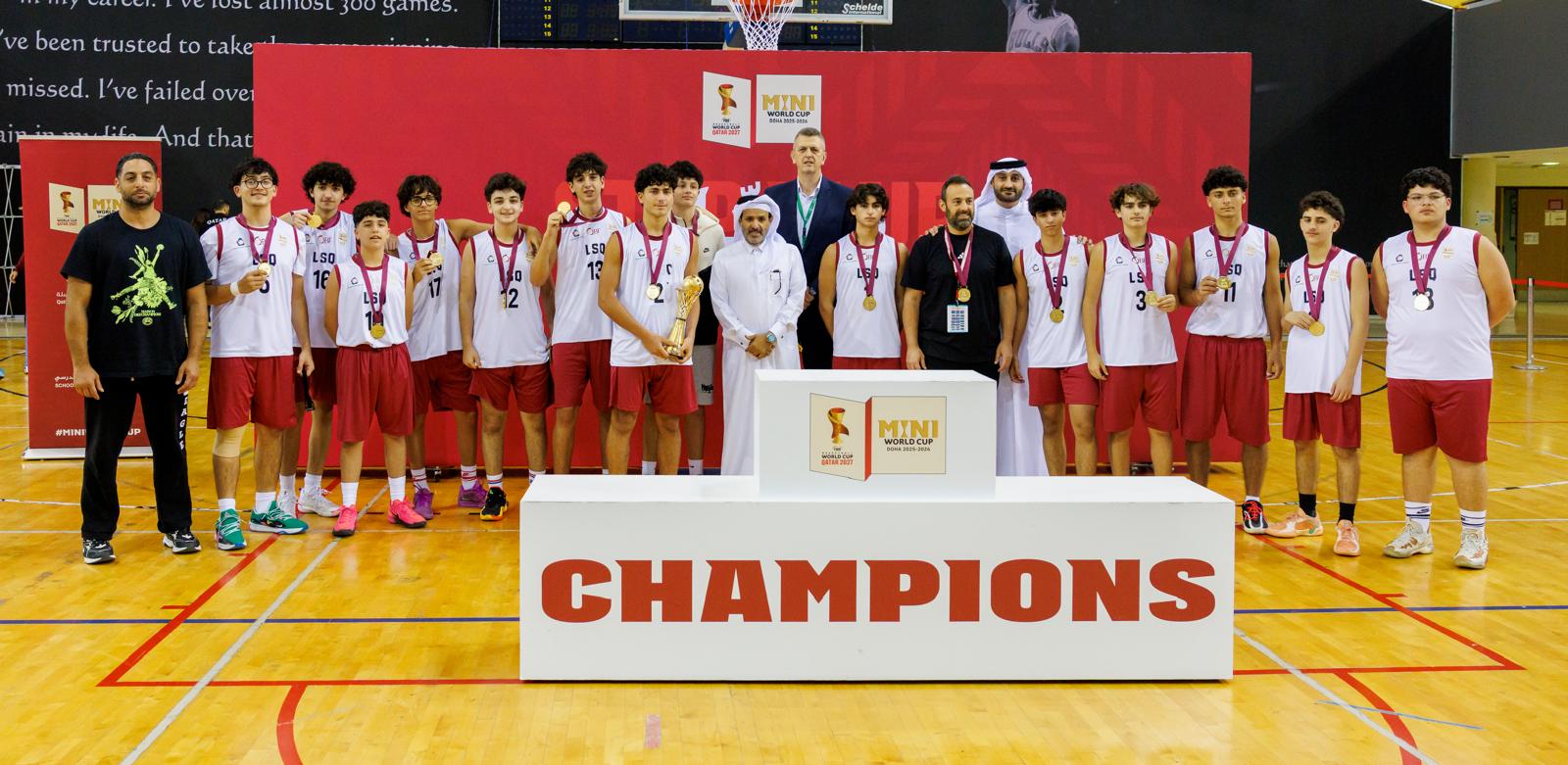
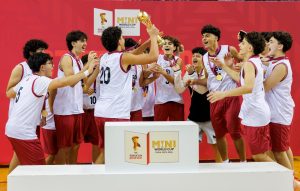
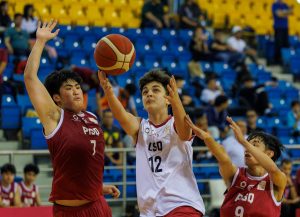
DOHA: The Lebanese School emerged victorious in the inaugural edition of the Mini World Cup basketball tournament, capping a vibrant and highly competitive 2025–2026 season with a 58–47 win over the Philippine School in the final held at Aspire Academy.
The event, staged under the auspices of FIBA in partnership with the Qatar Basketball Federation and the Qatar School Sports Federation, concluded in a festive atmosphere marked by strong attendance from officials, students, and passionate supporters from both communities.
The final lived up to expectations, delivering an intense contest that showcased the rising standard of school basketball in Qatar. The Lebanese School displayed composure and tactical discipline to secure the historic first title, while the Philippine School settled for second place after a spirited performance. GEMS American Academy Qatar completed the podium, claiming third place and the bronze medal.
During the awards ceremony, Secretary-General of the Qatar Basketball Federation Saadoun Sabah Al-Kuwari, alongside Predrag Bogosavljev, Director of the FIBA Basketball World Cup Qatar 2027, and Ahmed Al Darwish, Competitions Director of the tournament’s organizing committee, presented the trophies and medals to the winning teams.
The Mini World Cup stands out as a pioneering initiative, both regionally and globally, introducing an innovative competition format inspired by the structure of the upcoming FIBA Basketball World Cup Qatar 2027. The tournament reflects Qatar’s broader commitment to building a sustainable sporting legacy while promoting basketball among youth and school communities.
Held in conjunction with the finals of the School Olympic Program for the 2025–2026 season, the initiative forms part of an integrated vision that combines athletic excellence with educational development. Organisers emphasized that the tournament contributes to nurturing a generation that values teamwork, discipline, and social responsibility, while strengthening sport as a bridge for cultural exchange and mutual understanding.
A total of 32 secondary schools from across Qatar participated in this season’s competition, highlighting the country’s diverse educational landscape and growing enthusiasm for basketball at grassroots level. The initiative also introduces a forward-looking dimension, as participating schools in the next edition (2026–2027) will represent national teams qualified for the FIBA Basketball World Cup Qatar 2027, further deepening students’ engagement with the global event.
Speaking on the occasion, Bogosavljev praised the tournament as a key platform for promoting the upcoming World Cup, noting its role in empowering young athletes and expanding the sport’s footprint in the region. He commended the high level of organisation and expressed confidence that future editions would build on this success.
Al-Kuwari highlighted the tournament’s significance as a model for leveraging sport as a tool for education and development. He underlined its role in encouraging active student participation, fostering teamwork, and creating new opportunities for volunteering, all of which contribute to the continued growth of basketball in Qatar.
Ahmed Al Darwish described the initiative as a progressive educational model that seamlessly integrates sport and learning. He noted that such competitions play a vital role in shaping well-rounded students with a strong sporting culture, characterised by discipline, healthy competition, and collaboration. He added that the tournament represents a milestone in transforming school sport into a sustainable platform for talent identification and development, while also opening avenues for regional and international cooperation among educational institutions.
Mini World Cup Project Director Marwan Egho reaffirmed that the tournament was organised in line with FIBA standards, including officiating, competition structure, and court specifications. He stressed that the initiative aims to cultivate a passion for basketball among students, positioning schools as the primary foundation for developing future talent.
Egho also revealed that the second edition, scheduled for October and November 2026, will maintain the same high standards, with teams competing under the names of qualified national sides. The final is set to take place at Lusail Sports Arena, offering a realistic simulation of one of the world’s premier basketball events.
Lebanese School head coach Gaspard Ishak expressed pride in his team’s achievement, praising the organisation of the tournament and affirming their ambition to defend the title in the next edition. Meanwhile, Philippine School coach Arsenio Lacson commended his players’ efforts, acknowledging minor shortcomings while conceding that the better team prevailed on the day.
The success of the inaugural Mini World Cup underscores Qatar’s strategic vision of integrating sport within the educational framework, reinforcing its position as a hub for innovative sporting initiatives and youth development in the region.