



Temi Kings
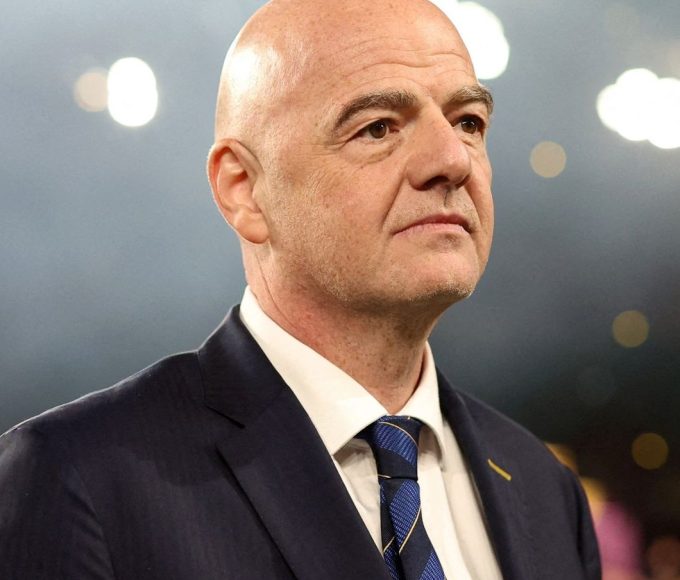
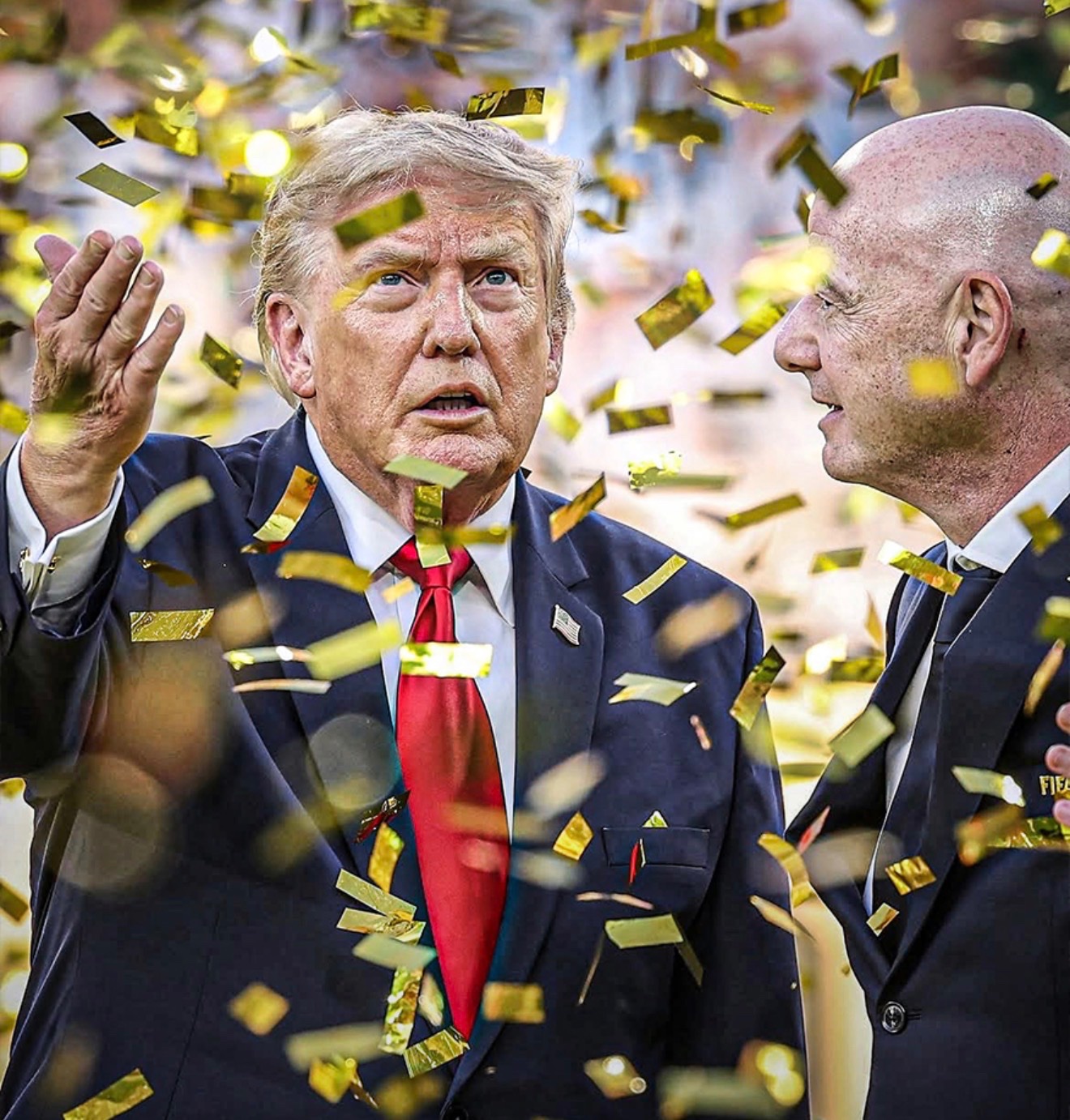
In a potential shift for global sports governance, FIFA President Gianni Infantino is actively exploring plans to sell equity stakes in the FIFA World Cup to private investors. According to an exclusive report by Martyn Ziegler, Chief Sports Reporter at The Times, the proposed scheme could completely restructure how the flagship tournament is commercialized, potentially earning Infantino tens of millions of pounds in personal bonuses and administrative incentives.
Discussions surrounding the privatization scheme have already commenced, with investor talks involving high-profile financial figures close to the Trump administration. The timing of these negotiations coincides directly with the expansion of the World Cup model across North America, where commercial yields, broadcasting rights, and corporate sponsorships are reaching unprecedented heights. Selling equity stakes in international football’s crown jewel would represent the first time in FIFA’s history that commercial control of the World Cup has been partially yielded to private equity partners.
The proposed initiative is designed to unlock billions in fresh capital for FIFA, enabling further expansion of global development funds and new tournament formats like the Club World Cup. However, the revelation that such a scheme could directly enrich Infantino by tens of millions of pounds is expected to trigger significant pushback from member associations, European leagues, and governance watchdogs who have long warned against the growing financialization of international sports entities.
As world football navigates an era defined by massive commercial expansion, Infantino’s flirtation with private capital underscores a dramatic reimagining of football’s global economics. Whether the proposed stake sale gains approval from the FIFA Council or meets fiercer institutional resistance, the dialogue between Zurich and private investment groups signals an epochal shift in who owns and profits from the beautiful game.