


The Negreira case has become one of the biggest controversies in modern football, placing FC Barcelona at the center of a corruption investigation that continues to divide fans across the world.
For years, football supporters debated whether referees favored certain clubs in Spain. Those conversations became much louder in 2023 when Spanish prosecutors revealed that Barcelona had paid millions of euros to companies linked to José María Enríquez Negreira, a former vice-president of Spain’s refereeing committee.
The payments reportedly totaled around €7 million and were made between 2001 and 2018.
The revelation immediately sparked outrage because Negreira was one of the most influential figures in Spanish refereeing during that period. Many fans and analysts questioned why Barcelona would maintain financial ties with someone connected to the country’s referee structure for nearly two decades.
Spanish authorities are now investigating whether the payments were linked to attempts to influence refereeing decisions or gain favorable treatment.
Barcelona, however, strongly deny any wrongdoing.
The club insists the payments were legitimate and were made for technical consultancy services related to referees. According to Barcelona, the club received reports and analysis about referees to help coaches and players prepare for matches.
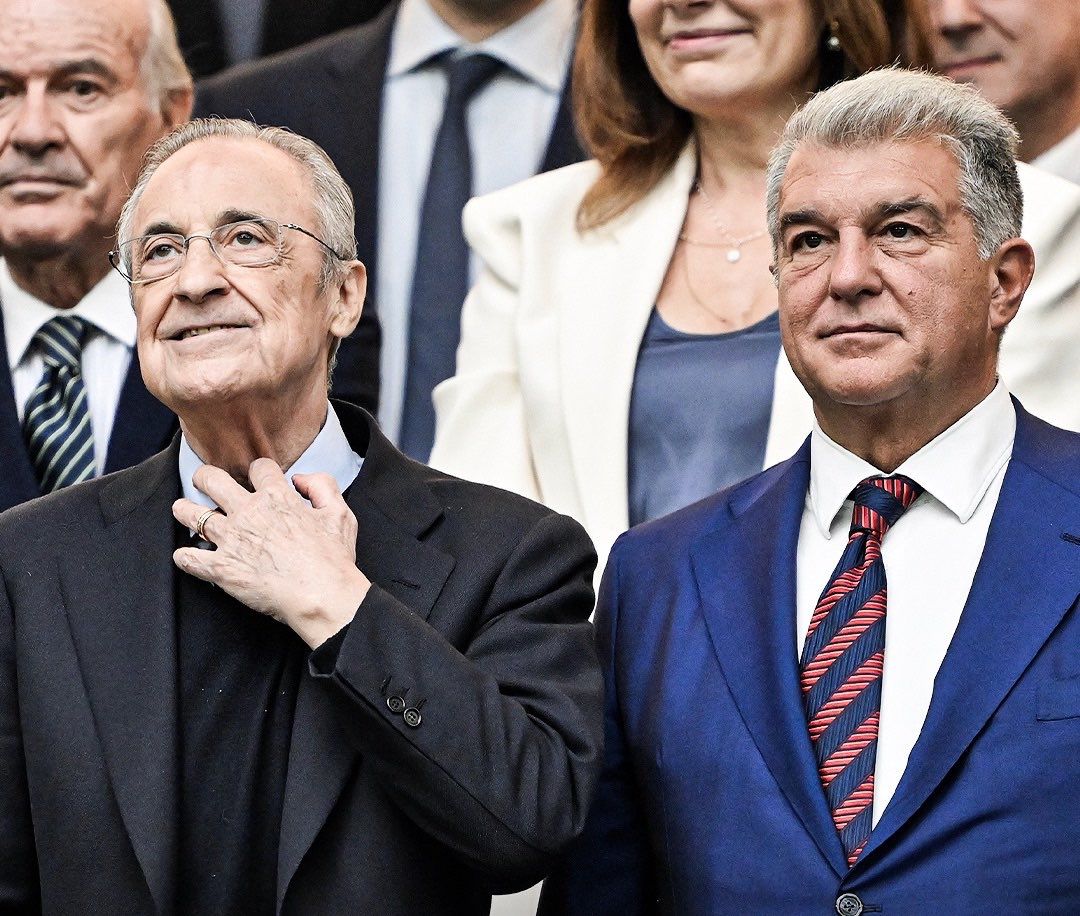
Former Barcelona president Joan Laporta has repeatedly defended the club, stating that Barcelona are victims of a campaign designed to damage their reputation.
Still, the controversy has refused to disappear.
One major reason the scandal became so explosive is because the payments overlapped with one of Barcelona’s most successful eras. During those years, the club dominated Spanish and European football with legendary figures such as:
Lionel Messi
Pep Guardiola
Xavi Hernández
Andrés Iniesta
Because of that, rival fans have tried to use the scandal to question Barcelona’s success during that period.
However, it is important to note that there is currently no public evidence proving referees directly manipulated matches for Barcelona or handed the club titles unfairly.
That distinction matters greatly.
The case is more about whether Barcelona created an inappropriate relationship with a senior refereeing official rather than proven match-fixing.
Even so, many football fans believe the relationship itself was unethical. Critics argue that no club should make payments to someone connected to the refereeing system, regardless of the explanation.
The scandal has also intensified tensions between Barcelona and Real Madrid CF. Real Madrid supporters frequently point to the case as proof of favoritism in Spanish football, while Barcelona fans argue that the club is being judged publicly before any legal conclusion has been reached.
As the investigation continues, possible outcomes could include financial penalties, reputational damage, or sporting sanctions if wrongdoing is eventually proven. However, legal experts believe certain punishments could be difficult because some of the alleged actions happened many years ago.
Another important development came when a bribery-related charge weakened after courts ruled that Negreira was not technically considered a public official under Spanish law. Despite that, the broader corruption investigation remains active.
Beyond Barcelona itself, the Negreira case has raised wider concerns about transparency and trust in football governance. In an era where refereeing decisions are already heavily scrutinized because of VAR and social media debates, the scandal has added even more suspicion around officiating in Spanish football.
For many fans, the biggest issue is not only whether corruption can be proven, but whether such a relationship should ever have existed in the first place.
As of 2026, the investigation is still ongoing, meaning Barcelona have neither been found guilty nor officially cleared.
Until a final legal decision is reached, the Negreira case will continue to cast a shadow over Spanish football and remain one of the sport’s most controversial stories.