
RC Strasbourg held their nerve on a tense European night to secure a place in the UEFA Europa Conference League quarterfinals, battling to a 1-1 draw against HNK Rijeka in the second leg and advancing 3-2 on aggregate after a closely contested two-legged tie.
Coming into the return fixture at the Stade de la Meinau, Strasbourg had given themselves a slight advantage with a 2-1 victory in Croatia. That first-leg result, built on attacking efficiency and resilience, meant they only needed to avoid defeat to progress. But as is often the case in European knockout football, the script quickly turned into something far more dramatic.
Rijeka started the second leg with urgency and intent, fully aware that one goal could swing the tie in their favor. Their aggressive approach paid off in the 21st minute when Toni Fruk found the breakthrough. The Croatian side worked the ball into a dangerous area before Fruk applied a composed finish, silencing the home crowd and leveling the aggregate score at 2-2.
At that moment, the entire complexion of the tie changed.
Strasbourg, who had entered the match in control, suddenly found themselves under pressure. Rijeka grew in confidence, pressing higher up the pitch and forcing errors, while Strasbourg had to dig deep to regain their composure. The early goal disrupted their rhythm, and for a spell, it looked like the visitors might seize full control.
However, what followed was a display of maturity from the French side.
Instead of panicking, RC Strasbourg began to settle into the game. Their midfield worked harder to retain possession, their defensive line stayed compact, and gradually they started to push Rijeka back. It was not a sudden turnaround, but a slow and deliberate response that kept them alive in the contest.
The game remained finely balanced heading into the second half, with both sides aware that the next goal could decide everything. Rijeka continued to threaten on the counter, while Strasbourg searched for openings, probing patiently without overcommitting.
That decisive moment finally arrived in the 71st minute.
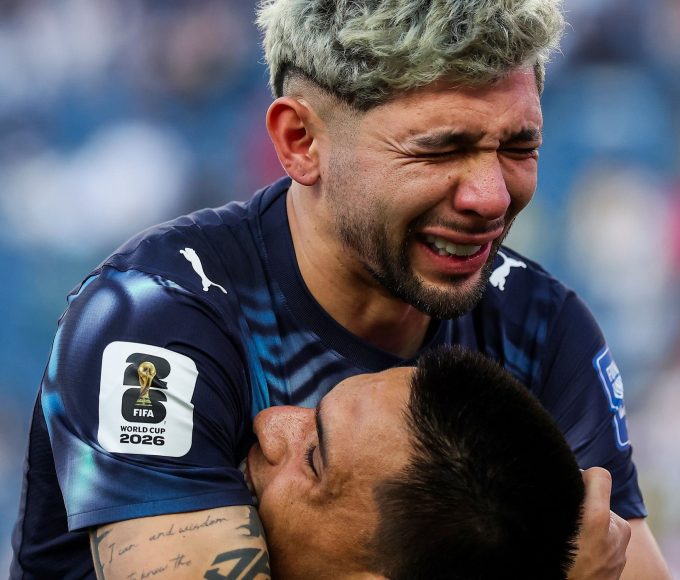
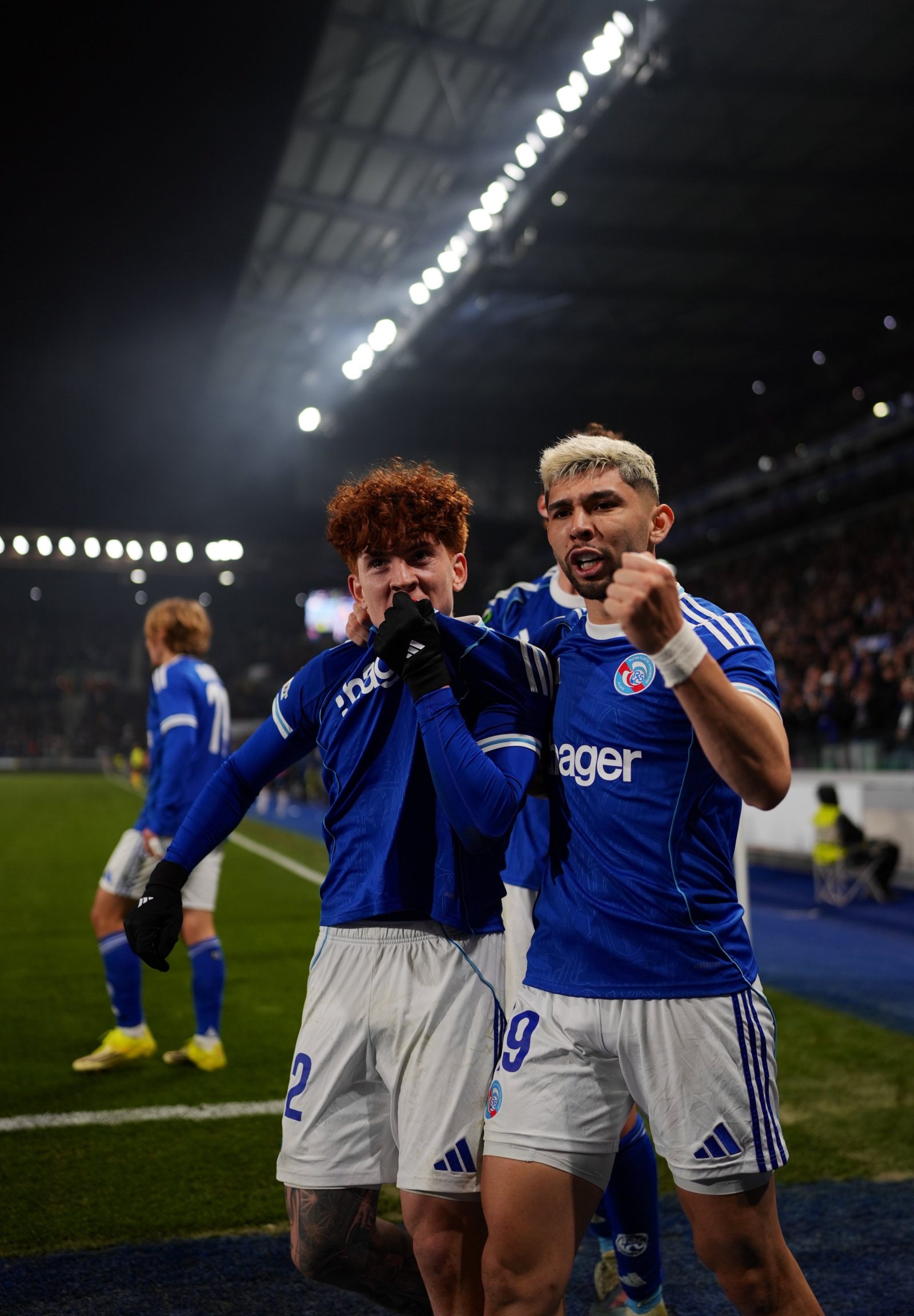
Valentín Barco stepped up with what would prove to be the defining goal of the tie. The Argentine found space and delivered a crucial equalizer for Strasbourg, bringing the score to 1-1 on the night and restoring their aggregate advantage to 3-2. It was a goal that not only shifted the scoreboard but also the momentum, reigniting belief among the home supporters.
From that point onward, the task for Strasbourg became clear — manage the game, protect the lead, and see the tie through.
Rijeka, now trailing again, pushed forward in search of another breakthrough. Their attacks carried urgency, but also a sense of desperation. Strasbourg, on the other hand, showed discipline and control. They tightened defensively, reduced spaces, and made smart decisions in possession to slow the tempo and frustrate their opponents.
Every clearance was met with relief, every interception celebrated, and every passing minute brought them closer to qualification.
As the match entered its final stages, tension filled the stadium. Rijeka continued to press, throwing bodies forward in a last attempt to force extra time. But Strasbourg held firm. Their defensive organization remained intact, and their game management proved crucial in seeing out the result.
When the final whistle blew, it confirmed a hard-fought 1-1 draw on the night and a 3-2 aggregate victory for RC Strasbourg, a result that sends them into the quarterfinals of the UEFA Europa Conference League.
Looking back at the tie as a whole, Strasbourg’s progression was built on key moments. In the first leg, they had shown attacking quality to secure a 2-1 win, laying the foundation for qualification. In the second leg, they demonstrated resilience and composure, responding to adversity and delivering when it mattered most.
Toni Fruk’s opener for Rijeka threatened to derail their campaign, but Valentín Barco’s equalizer ultimately proved decisive. Those two goals defined the second leg, but the broader story was about control, mentality, and execution over 180 minutes.
For HNK Rijeka, this was a performance full of fight. They pushed Strasbourg all the way and came close to turning the tie around. Fruk’s goal gave them real hope, and their overall display showed they were more than capable of competing at this level. However, in knockout football, fine margins often decide outcomes, and Rijeka ultimately fell just short.
For Strasbourg, this victory represents more than just progression. It is a sign of growth, a reflection of a team learning how to navigate European competition. These are the types of matches that build character, games where things do not go perfectly, but the team finds a way to get through.
As they look ahead to the quarterfinals, the challenges will only increase. Stronger opponents, higher stakes, and even greater pressure await. But with performances like this, Strasbourg have shown they possess the qualities needed to compete, resilience, discipline, and the ability to deliver in decisive moments.
On a night that tested their resolve, RC Strasbourg did just enough.
And in Europe, that is often all you need.